American Reformation Church Prayer Journal 103
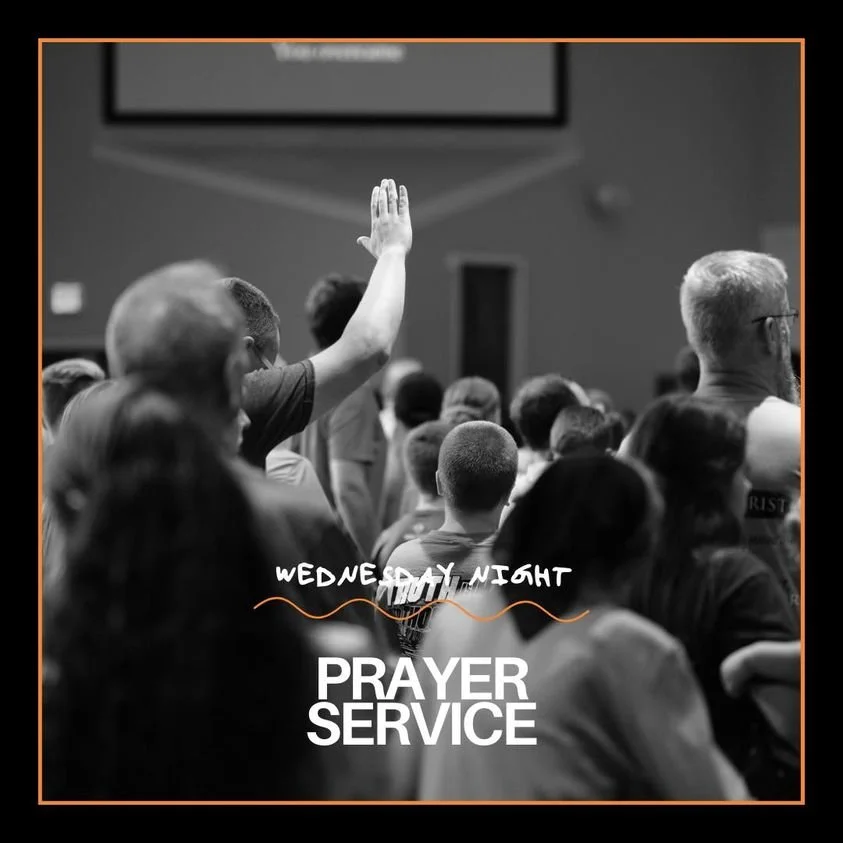
ARC Prayer Meeting:
This past Sunday, we were back in the book of Proverbs, otherwise known as the book of wisdom. It is there we discover wisdom is the principled thing. This was the main virtue sought by saints of old and should remain a priority for the church today. Especially, when we realize that Jesus is wisdom personified and has become for us our wisdom.
We expounded on Proverbs 1:24-33. These passages signal a serious turning point in the first chapter. Wisdom is no longer inviting, it is warning. The issue is no longer ignorance. The issue is rejection. The tragedy is not the absence of God’s call. The tragedy is human refusal.
In life, we can choose to do whatever we want to do, we just can’t choose the consequences. One of the key truths of life is not what we can do, it is what we are supposed to do that makes all the difference in the world.
Isaiah the prophet declared, “Seek the Lord while He may be found, call upon Him while He is near” (Isaiah 55:6). Jesus calls out, “Come to Me, all you who labor and are heavy laden, and I will give you rest.” He called out to the nation of Israel, but the stone-cold response was “but you were not willing” (Matthew 23:37). And true to God’s warning in Proverbs desolations were determined. God calls; humans refuse.
Obviously, considering these sobering warnings, prayer is vital. It is needed and necessary. Prayer is one of the primary ways we respond to God's call, seek His wisdom, and avoid the tragic consequences of self-absorbed world.
Prayer is the humble acknowledgment that we need God. A prayerless life often reveals a heart that believes it can manage without Him. So many times, prayer becomes our last option instead of our first impulse.
Prayer softens the heart, while refusing God’s dealings in our life hardens it. One of the ways you know you have a measure of wisdom is the wise pray because they know they do not know enough or have enough to make it without God’s help and aid.
Jeremiah the prophet admonished, “Call to Me, and I will answer you, and show you great and mighty things, which you do not know.” The Psalmist stated, “Call upon Me in the day of trouble; I will deliver you, and you shall glorify Me.” Things begin to unravel, when we refuse the merciful invitation of God.
David understood that God’s Law/Word provided two major blessings in his life. By them, he is warned and in keeping them there is great reward (Psalms 19:11). His response to these truths was to pray. He stated, “Keep back Your servant also from presumptuous sins; Let them not have dominion over me. Then I shall be blameless, and I shall be innocent of great transgression” (Psalms 19:13).
In verse 12 David speaks of "secret faults"—sins committed in ignorance or weakness. In verse 13, he moves to "presumptuous sins." These are sins committed knowingly, deliberately, and arrogantly. They involve rebellion against known truth.
Our Lord knowing the tendency of our sinful nature taught us to pray “Lead us not into temptation but deliver us from evil.” And all sensible Christians shout a hearty amen.