American Reformation Church Prayer Journal 120
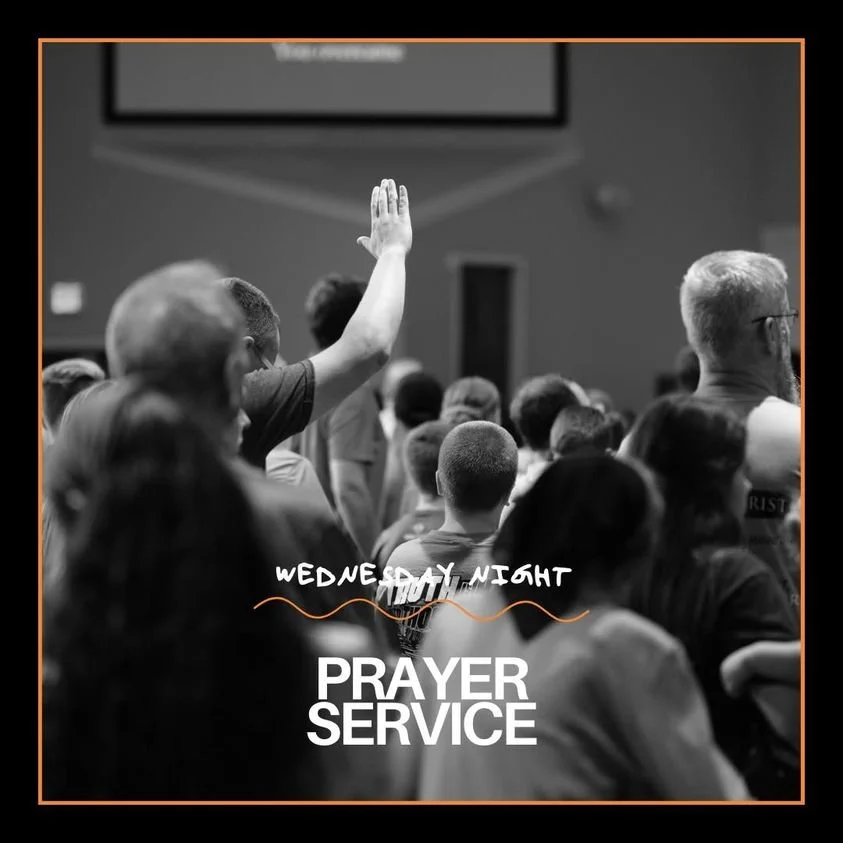
ARC Prayer Meeting:
This pass Sunday, the American Reformation Church was back in the book of Psalms. We expounded Psalms 7:6-8. This was David bringing his case before the Righteous Judge in urgent prayer.
If you recall, David was facing enemies who have accused him unjustly. Rather than taking matters into his own hands, he brings his cause before the Lord. He does not merely complain about his circumstances; he prays to the One who has the authority to righteously judge the case.
We learn from this lesson of Scripture that prayer is not simply asking God to make our lives easier. It is bringing our burdens, injustices, fears, and conflicts before the throne of God, trusting Him to act according to His perfect wisdom and justice. We can trust His for the outcome of whatever we may go through. Paul promised, “And we know that all things work together for good to those who love God, to those who are the called according to His purpose” (Romans 8:28).
David called upon the Lord to act, “Arise, O LORD, in Your anger.” Prayer not only asks Gos to see, hear, and forgive, but to arise and let His enemies be scattered. David's prayer is urgent. He desires God to arise and confront the wickedness of his enemies.
There are times when we feel overwhelmed by injustice, opposition, or the apparent triumph of evil. In those moments, prayer reminds us that God has neither abandoned His throne nor surrendered His authority.
Prayer is our declaration that the battle is not ultimately ours to control. We call upon God to act in His time and according to His will. We have this assurance from God’s Holy Word, ultimately the battle belongs to the Lord (2 Chronicles 20:15).
Next, prayer remembers That God is the Judge, “The LORD shall judge the peoples.” David looks beyond his immediate trouble to the universal authority of God. His circumstances may be uncertain, but God's character cannot be questioned. He is the Lord who changes not, which reveals two profound truths about change. Our life is constantly changing, and yet it is committed to the One who never changes.
Abraham asked in Genesis 18:25, “Shall not the Judge of all the earth do right?” That question remains a foundation for the believer's confidence in prayer. We pray because God sees what others cannot see, knows what others do not know, and judges with a righteousness that cannot be corrupted.
Prayer does not guarantee that every injustice will be corrected immediately. It assures us that we can entrust ourselves to the One who judges perfectly and makes everything beautiful in His time (Ecclesiastes 3:11).
Lastly, prayer requires us to examine our own hearts, “Judge me, O LORD, according to my righteousness, and according to my integrity within me.” David asks God to examine his integrity in the matter before Him. He is not claiming to be sinless; he is appealing to the Lord concerning the accusations made against him.
This gives us an important lesson: before we ask God to judge others, we should invite Him to examine us. It is easy to pray passionately about the sins of our enemies while overlooking our own sins. Genuine prayer includes confession, repentance, and a willingness to be corrected by God's Word.
The prayer that seeks God's justice must also welcome God's correction. We should never use prayer merely to enlist God on our side; we must seek to bring our hearts into alignment with His righteousness. Ultimately, every believer should want God to be justified when the Lord judges, not us or our enemies, but the Lord our God. David concludes with that mentality in Psalms 51, “Against You, You only, have I sinned, and done this evil in Your sight— That You may be found just when You speak, and blameless when You judge.
Prayer is the believer's declaration that injustice does not have the final word, our enemies do not occupy the throne, and God alone has the final authority to judge.
American Reformation Church Website: