American Reformation Church Prayer Journal 109
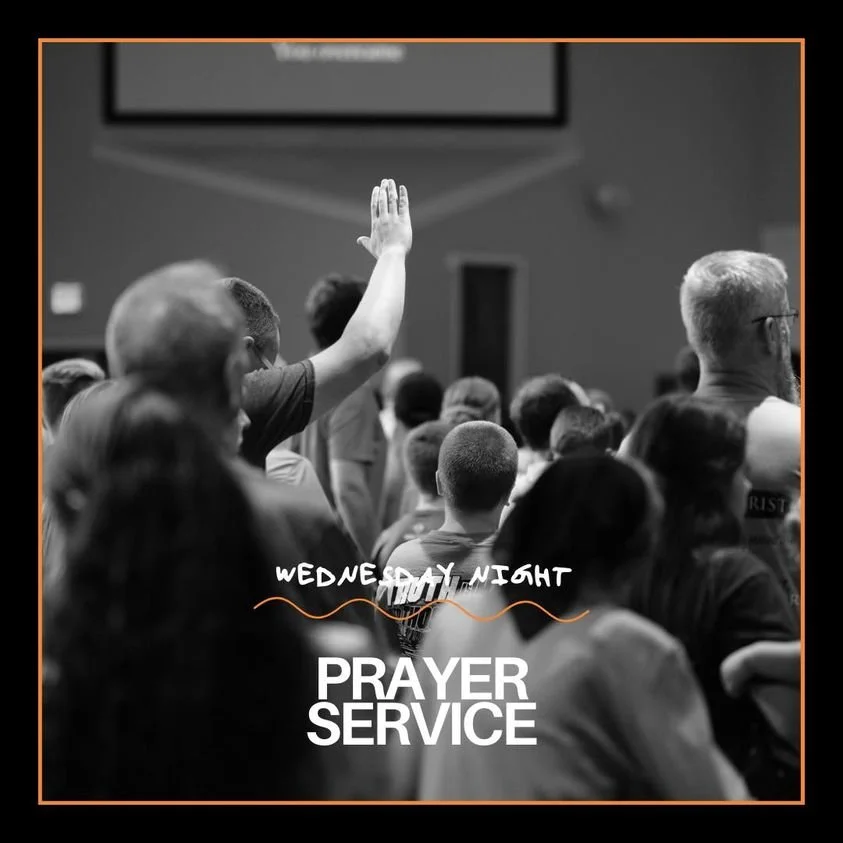
This past Sunday at ARC, we expounded on Psalms 5:7, 8. We discovered God's mercy welcomes us. God's righteousness guides us. God's justice governs the world, and God's favor surrounds His people like a shield. As we consider entering God’s presence this evening, we seek to know what is the power and priority of prayer?
As you may recall, Psalm 5 is David's morning prayer. Before he faces the pressures, temptations, and enemies of the day, he first enters the presence of God. These two verses reveal why prayer is not merely a religious duty. It is our lifeline as believers.
We learned prayer begins with God's mercy. David knew he had no right to stand before a Holy God based on his own merits. He disobeyed God frequently. Sometimes, he committed capital offenses. He enters because of one reason, God’s tender mercies.
Every prayer should begin with an understanding of God’s grace. We do not approach God because we deserve an audience—we approach because Christ has opened the way. He has extended his scepter of mercy; therefore, we can come boldly to the throne of grace to obtain mercy and help in the time of need (Hebrews 4:16). The Christian who prays never stands upon his own righteousness but upon God's covenantal love.
Next, prayer should be done in reverence. Reverence, again, is humble, worshipful submission to God’s rule in our lives. "...in fear of You I will worship..." David's confidence never produced casualness. Mercy led to worship, and worship led to holy reverence. True prayer is not simply asking God for things; it is bowing before the King of kings. Prayer realigns our hearts before it changes our circumstances. The more we see God's holiness, the more we should surrender to His will.
Next, prayer seeks God's direction. "Lead me, O LORD, in Your righteousness..." David does not merely ask God to remove his enemies. He asks God to lead him. Many of our prayers focus on changing our situation. David focuses first on changing himself. Prayer is God's GPS for the believer. It keeps us from wandering into temptation, pride, fear, or revenge.
Proverbs 3:5–6 echoes this truth, “Trust in the Lord with all your heart, and lean not on your own understanding; in all your ways acknowledge Him, and He shall direct your paths.” Those who look to God’s Word and pray consistently walk more wisely because they seek God to order their steps.
Lastly. prayer helps keeps us on the straight and narrow path that leads to God’s life. "Make Your way straight before my face." David recognized that life is filled with distractions, obstacles, and deceptive paths.
Prayer keeps our eyes fixed upon God's way rather than the world's. Jesus taught His disciples to pray, "Lead us not into temptation, but deliver us from evil." (Matthew 6:13)
The study of God’s Word and prayer becomes God's daily means of spiritual protection and guidance. A compass constantly points true north. Likewise, prayer continually points the believer to seek God to point us to His word, way, and will for our lives.
I’ll conclude with this statement, "The shortest distance between a problem and its solution is often the distance from our knees to the throne of God."