American Reformation Church Prayer Journal 116
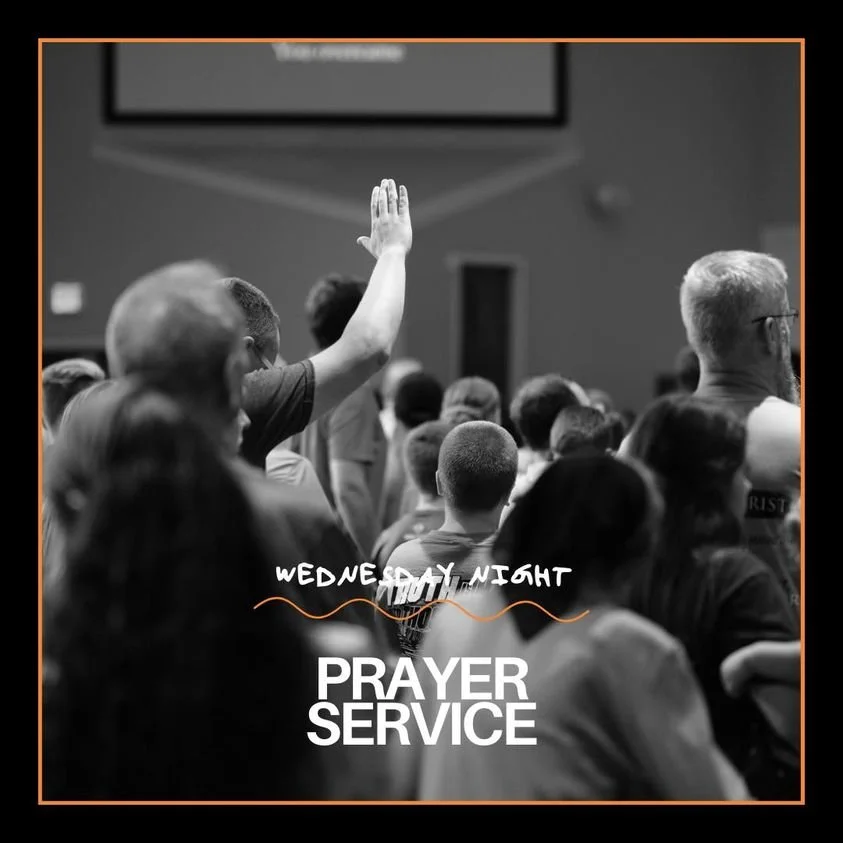
ARC Prayer Meeting:
This pass Sunday at the American Reformation Church we covered Psalms 6:5-10. The title was “Tears to Triumph.” The is a prayer of David that begins with much anguish but ends with blessed assurance.
Somehow along the way, as David is writing this song or singing this Psalm to the Lord, the light comes on in the darkness, and everything radically changes for him.
If you recall, his bones were hurting. His soul was vexed. He feared God’s just judgment falling upon his head. As he is seeking what to say to relieve the pressure, he throws himself upon the mercy of God.
Psalm 6 records a major shift for David as he is crying out to God to save him in a fight for his life. He is facing a two-fold enemy. First, is the enemy from within, his troubled conscience and afflicted soul, and second, the enemy from without, those who smell blood and know David is vulnerable to attack.
In Vs. 5, we find out it is a matter of life or death as far as David is concerned. Through his desperate prayer that David knows his only hope is God. David knows if God does not hear him when he cries to Him and if He does not act, David is not going to make it. The principle in prayer comes down to this, what we cannot carry ourselves, we carry to God in prayer.
If you recall, David is seeking to convince God one way or another to rescue him. His biggest bargaining chip was if I die who would give you thanks. Amazing plea. David's prayer is essentially, “God, preserve me so that I might continue to know You, thank You, praise You, worship You, and serve You.”
The next prayer lesson in Psalms 6 is prayer can come from a place of tears. Remember David was not a weak, cowardly, feminist man. He was a fierce courageous warrior. Yet, he didn’t view himself less of a man as tears rolled down his face seeking blessed relief. I’m not saying we need to become emotional wrecks or crybabies, but clearly there is a place in Christian prayer for tears.
In fact, consider this, when was the last time any of us wept for lost souls? Have our hearts grown cold to the plight of others? As we see evil abound in our nation, has our love grown cold (Matthew 24:12)?
Another Psalm quoted in Sunday’s message was Psalms 56:8 It states, “You number my wanderings; Put my tears into Your bottle; are they not in Your book?” God is not indifferent to the tears of His children, and He knows the difference between the fake tears of worldly sorrow and the genuine tears of godly sorrow. Regardless, we don't pray because we are strong; we pray because God is strong.
Next lesson in prayer is it changes our perspective. David began overwhelmed by his enemies and his circumstances. But after he cried out to God, his confidence returned and his faith was restored. His circumstances did not change immediately—it was his confidence in God that immediately changed. That is one of the great ministries of prayer. Prayer brings us into the presence of the One who is greater than our problems.
We see this truth lived out when it came to Jehoshaphat crying out to God when surrounded by three armies’ intent on Israel’s destruction. He is wrestling with God. He is pleading with God to hear and move on their behalf. God’s response, “Do not be afraid nor dismayed because of this great multitude, for the battle is not yours, but God’s” (2 Chronicles 20:15).
Psalm 6:5–10 teaches us that prayer is not the absence of distress; prayer is bringing our distress to God. The primary lesson of Psalms 6 is when life overwhelms you, don't let distress drive you away from God, let it drive you to Him. Prayer does not always immediately remove the storm, but it brings us into the presence of the One who rules the storm and is the anchor that holds in the midst of it.
American Refromation Church Website: