American Reformation Church Prayer Journal 117
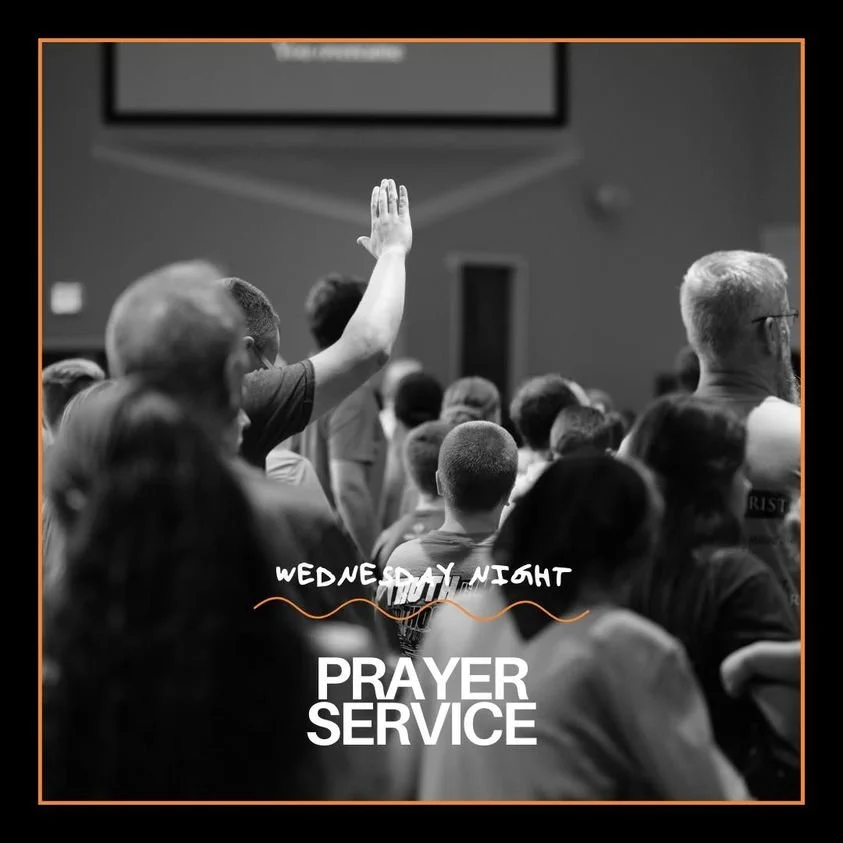
ARC Prayer Meeting:
This pass Sunday at American Reformation Church, we were back in the book of Psalms. We focused on Psalms 7:1-5. Psalm 7 teaches us that prayer is not merely asking God to change our circumstances—it is bringing our circumstances under the probing eye and righteous judgment of God.
First, however, prayer runs to God for refuge. David’s life is a case study of constant turmoil. It should be no surprise that this was his constant practice. Prayer for him was not a religious practice. It was his lifeline to heaven to deliver him from his many foes below, both inside and out.
He stated, “O LORD my God, in You I put my trust; save me from all those who persecute me.” David begins with trust, not explanation. He is surrounded by accusations and enemies, but his first response is to run to God in prayer.
The picture he gives is vivid and his language graphic. David describes himself as a man pursued by a lion. As we know, the chances of escaping a lion are slim. So for David, prayer is his refuge when there is nowhere else to turn to escape.
In another Psalm, God’s Word declared, “God is our refuge and strength, A very present help in trouble” (Psalm 46:1).
This prayer time allowed God to search David’s heart, and David did it on purpose. This is something remarkable. He does not simply say, “My enemies are wrong.” He invites God to examine him: “O LORD my God, if I have done this… if there is iniquity in my hands”
This is the humility of genuine prayer. David is essentially saying: “Lord, if the accusation is true, show me. If I am guilty, judge me. But if I am innocent, please vindicate me.” In this case, prayer is not manipulating God into agreeing with us. Prayer places ourselves under God's examination trusting in His just judgment.
In this Psalm, David teaches prayer requires integrity. David questions whether he repaid evil with evil. The greater son of David, our Messiah, Christ, when faced with this same dilemma trusted His Father who sent Him, 1 Peter 2:21-23.
David prays, “If I have repaid evil to him who was at peace with me.” This is important aspect to prayer. It is best when our character matches our prayer. In other words, we cannot continually pray, “God, deal with my enemies,” while refusing to allow God to deal with us.
In the New Testament, Jesus taught something radical that is foreign to so many today, including many professed Christians, “Love your enemies, bless those who curse you, do good to those who hate you, and pray for those who spitefully use you” (Matthew 5:44) In this way. prayer keeps bitterness from becoming our master. If it does become your master that root of bitterness will bring defilement with it. Guard your heart.
Lastly, prayer trusts God with vindication. David is saying, “Lord, I would rather be judged by You than vindicated by myself.” As stated, Sunday, that is an extraordinary prayer. This is the heart of biblical prayer: we surrender our reputation, our circumstances, and even our defense into God's hands. Let Him be vindicated when He judges. Not us or our accusers, but God alone.
Psalm 7 gives us a great pattern of prayer dealing with the sting of accusation. When accused—run to God. When troubled—trust God. When examined—be honest with God. When wronged—do not repay evil with evil. When misunderstood—leave your vindication with God.
American Reformation Church Website: